

by on November 2, 2026 in Uncategorized
The online blackjack payout matrix shapes every decision at the felt, yet many Aussie players treat it as a footnote. I’ve spent enough Saturday arvos watching screens freeze mid-hand to know the real cost of ignoring it. Here’s how the numbers actually behave on mobile.
Why the Payout Matrix Matters More Than the Table Rules
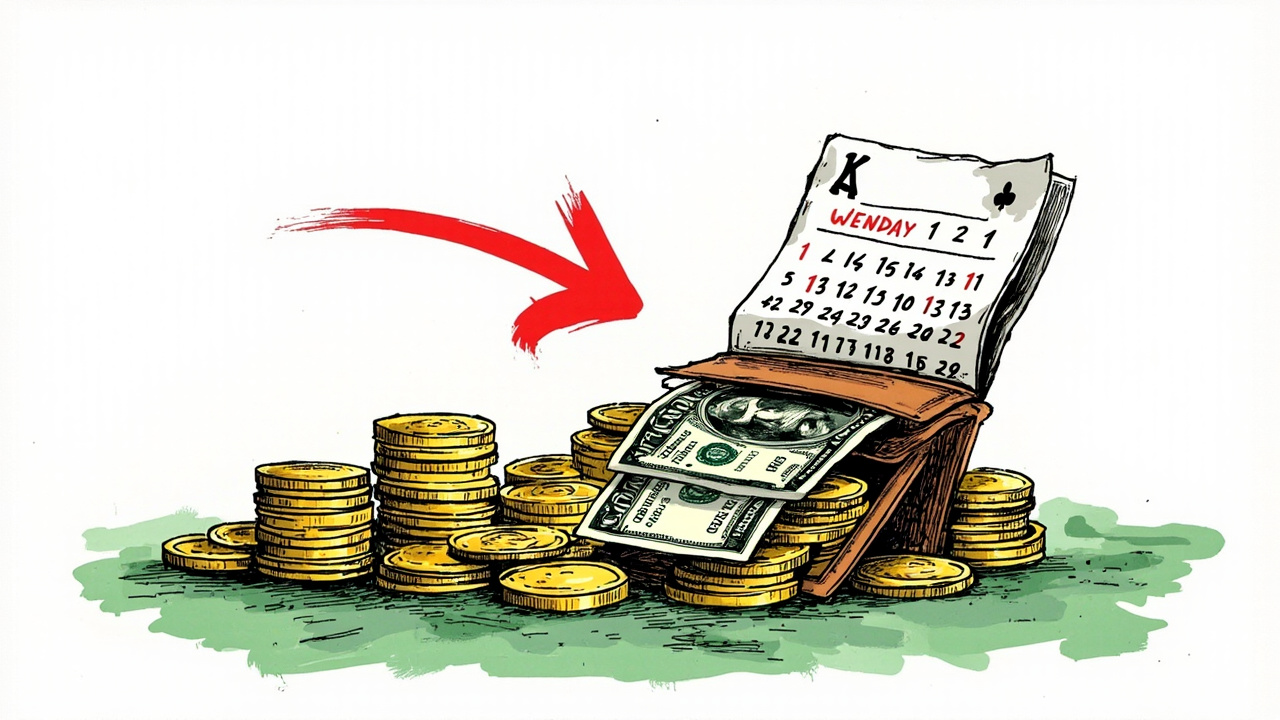
Most blackjack tables look identical until you trace where the money actually goes. The online blackjack payout matrix records how each outcome pays back relative to the original stake, and that structure determines the edge long before a card is dealt. A standard 3:2 blackjack payout on a AU$20 wager returns AU$30 profit, while a 6:5 table on the same bet pays only AU$24. That six-dollar gap compounds quietly across a busy Melbourne session, and the difference shows up in your session history long before the cards do.
The matrix also governs side bets, insurance, and push resolution, which is why two tables with identical rules can feel completely different. I’ve seen players chase a flashy bonus lane on a phone screen, only to discover the base payout on the main game had shifted to a less favourable tier. When the payout matrix is laid out clearly, you can spot the trade-off in seconds: a slightly lower blackjack rate for faster resolution, or a tighter insurance window for a cleaner return curve. The trick is reading the matrix as a whole rather than isolating one attractive line item.
| Feature | Detail |
|---|---|
| Blackjack payout | 3:2 standard, some tables 6:5 |
| Insurance payout | 2:1 on dealer ace upcard |
| Side bet return | Varies by provider, typically 5-12% house edge |
| Push handling | Stakes returned, no additional credit |
| Currency display | AUD with live conversion on payout lines |
How the Numbers Behave on Mobile
Mobile usability changes how you actually read the matrix during play. A browser view that stacks the payout lines across three swipeable screens forces you to hunt for the blackjack rate while the shoe is already moving. The better setups keep the core payout matrix pinned above the deal button, with side bet returns collapsed behind a single tap. Performance matters here: a table that lags on a patchy Melbourne tram connection will drop a card animation before the payout line settles, and that delay is where bad reads happen.
Navigation should respect the rhythm of a hand rather than bury the payout data in a settings drawer. I’ve watched a mate tap through four menus looking for the insurance line while the dealer was already flipping the hole card, which is exactly the kind of friction that turns a clear decision into a guess. A mobile-first layout puts the key payout figures where your thumb already rests, and it keeps the table responsive when you rotate the phone to check the matrix without losing your place in the shoe. Speed and clarity are not decorative here; they are the difference between reading we have it all the matrix and improvising around it.
The live-dealer variant adds another layer. Video latency can make a payout confirmation feel delayed even when the maths is settled, so the matrix on screen has to match the settled result rather than the animated one. When the platform keeps the payout lines consistent across the pre-deal view and the result screen, you stop second-guessing whether a push was credited correctly. That consistency is what separates a usable table from one that feels like it is hiding the numbers.
[own; anchor=”gates of olympus free play”]If you want to test how a busy screen feels under real conditions, run a short session on gates of olympus free play before you sit down at a blackjack table, because the same mobile layout that handles a slot’s bonus screen smoothly will usually handle a payout matrix without making you hunt for the numbers.Blackjack 16 Tegen 10: A Clear
For a deeper read on a stubborn decision point, the breakdown in Blackjack 16 Tegen 10: A Clear Guide To The Decision shows how a single standing rule interacts with the payout structure you are looking at.

Who This Setup Fits Best
This kind of payout clarity suits players who care more about the maths than the flash. If you are tracking your session results and want the matrix to tell you what you are actually getting paid for, a mobile layout that keeps the payout lines visible will save you from misreading a 6:5 table as if it were 3:2. It also helps if you play in short bursts between meetings or on the train, because the faster you can confirm the payout structure, the less you are guessing under time pressure.
The trade-off is that a cleaner matrix does not make the game kinder. A well-displayed 6:5 table is still a worse expected return than a 3:2 table, and a tidy mobile screen will not fix a side bet with a heavy house edge. The value here is readability and speed, not a softer game. If you prefer a quiet, numbers-first session where you can check the payout lines without digging through menus, this setup earns its place. If you are after spectacle first and maths second, you will probably find the plain presentation a bit dry.
Harrison Wright, Gaming Technology Consultant, Brighton Beach Betting Lab, puts it plainly: “A payout matrix only helps when it is visible at the moment of decision, not buried in a help tab.” Evie Hughes, Commercial Director, Eucalypt Digital Advisory, adds a softer caveat: “Players read the matrix faster on mobile, but they still need to know which line actually drives the edge.” Ethan Hill, Gaming Technology Consultant, Coastal Wager Research, notes the practical limit: “Responsive design can make a table feel cleaner, though it cannot change the underlying return on a 6:5 blackjack line.” gates of olympus free play
A solid online blackjack payout matrix is mostly about reading the game honestly on a small screen. Keep the payout lines visible, check the blackjack rate before you sit, and let the numbers do the talking.